The hidden performance problem
Knowing is not the same as being able to act.
Your organization may not have a knowledge problem. It may have a judgment-under-pressure problem: the moment when clear policy, strong capability, and good intention collide with ambiguity, consequence, identity, status, or fear.
- The policy is clear.
- The skill has been taught.
- The tool is available.
- The intended behavior is understood.
- Wait for permission.
- Protect credibility.
- Avoid exposure or escalation.
- Repeat the pattern the system rewards.
Selected learning systems
Some things we’ve built.
Change resistance as usable data
Move the human system with the rollout.
Resistance mapping, Pressure Map™ practice, sponsor tools, manager conversations, and bounded adoption experiments for real organizational change.
Candor + communication
Turn interpersonal friction into usable truth.
Conversation labs, observation practice, leader scripts, request design, team norms, and reinforcement tools for cleaner organizational communication.
Agency + mattering
Read withdrawal before trying to fix it.
Signal diagnosis, manager moves, workworld repair, coaching language, and reinforcement systems that rebuild agency and meaningful ownership.
Early truth under consequence
Lower interpersonal threat while keeping the standard high.
Speak-up scenarios, response scripts, meeting tools, escalation practice, and manager reinforcement for earlier risk and stronger judgment.
SB 553 / WVPP
Compliance people can understand, use, and reinforce.
Employee training, manager guidance, reporting language, incident-log support, written-plan tools, implementation assets, and LMS-ready deployment.
What TLS builds
From bench strength to deployment. One capability system.
Bench Development, curriculum architecture, WBT, live learning, facilitator enablement, learning operations, and AI adoption are built as one connected system. TLS can enter at leadership-pipeline diagnosis, discovery, course production, implementation, or enterprise rollout, then connect development to succession readiness, manager practice, customer education, workflow change, and measurable performance.
Leadership Bench Development
Build next-level leaders before vacancies, promotions, or disruption force emergency succession decisions. TLS combines role-readiness architecture, Pressure Map™ development, stretch work, manager calibration, and evidence reviews.
- Critical-role and succession maps
- Readiness profiles and development cohorts
- Stretch assignments and evidence reviews
- Manager calibration and internal mobility
Curriculum strategy and development
Build coherent learning systems from role and performance analysis through pathways, objectives, content sequencing, assessment, reinforcement, and measurement.
- Performance and audience analysis
- Curriculum maps and learning pathways
- Objectives, assessments, and rubrics
- Technical and workforce curriculum
Web-based training and courseware
SCORM and xAPI-ready modules with decision scenarios, branching, practice, assessment, video, accessibility, and executive-level visual polish.
- Custom coded and Articulate development
- Storyboards and interactive prototypes
- Course conversion and modernization
- Quality assurance and LMS-ready packages
ILT and vILT learning experiences
In-person and Zoom or Teams-ready programs built around real cases, facilitated practice, breakout work, reflection, coaching labs, and application to current business priorities.
- Facilitator and producer guides
- Participant workbooks and digital kits
- Manager coaching labs
- Cohort and workshop facilitation
Pressure Map™ train-the-trainer
Prepare internal facilitators, HR and L&D partners, and people managers to guide the method responsibly, coach from evidence, build employee autonomy, and sustain developmental practice inside real work.
- Facilitator preparation and rehearsal
- Practice, observation, and calibration
- Autonomy-coaching manager tools
- Ethical boundaries and debrief systems
Implementation, LMS, and program delivery
Turn finished content into a functioning learning operation through LMS configuration, course migration, customer education, launch planning, content governance, production management, and reporting.
- LMS setup, migration, and administration
- Customer education and onboarding
- Program and vendor management
- Measurement, reporting, and content QA
AI adoption and change enablement
Role-based learning and manager enablement that turn AI access into stronger work through use-case selection, workflow redesign, output verification, data boundaries, and clear human accountability.
- Role-based AI use cases
- Workflow and job redesign
- Verification and judgment routines
- Adoption strategy and manager reinforcement
Project-based by design. Start with a Bench Development diagnostic, a succession-readiness cohort, a curriculum architecture sprint, one WBT module, an ILT or vILT program, a Pressure Map™ train-the-trainer pilot, an LMS or customer-education implementation, or an AI-adoption sprint. TLS can diagnose the pipeline, build the learning, enable managers and facilitators, support deployment, and establish the evidence and measurement rhythm.
Scope a learning systemWorkplaces continuously develop people. The question is what they are developing them into.
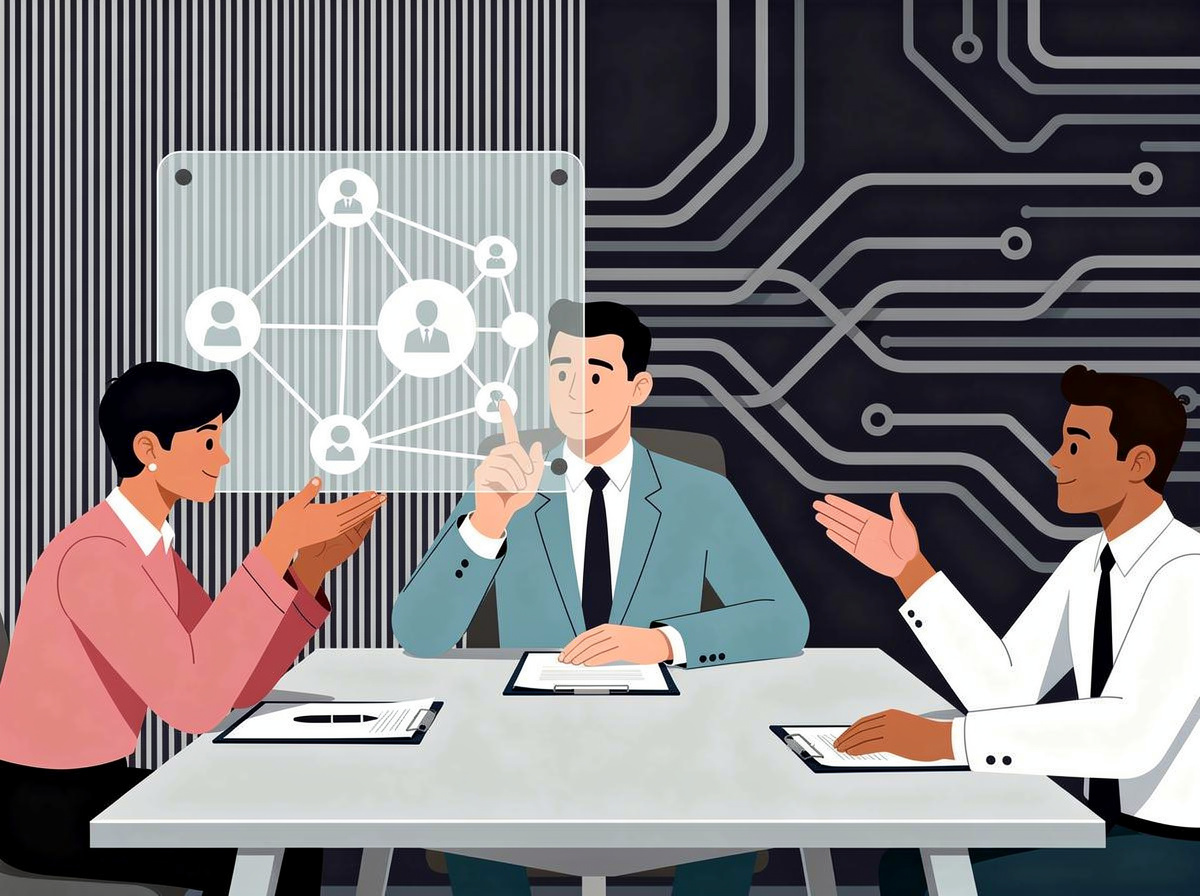
TLS starts from a simple claim: behavior at work has structure. The visible pattern is only the surface. Underneath it is a logic shaped by pressure, protection, and the consequence environment of the organization itself.
Pressure reveals internal logic.
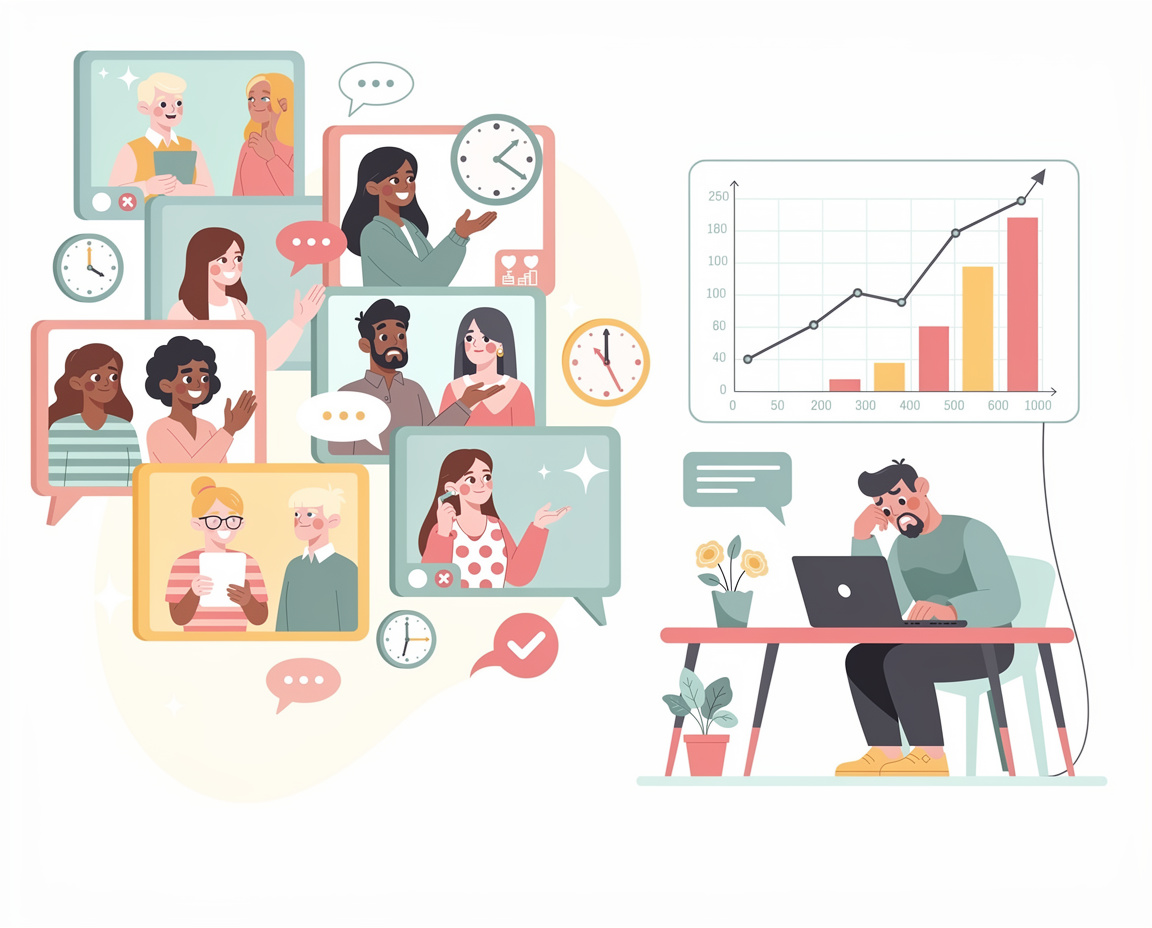
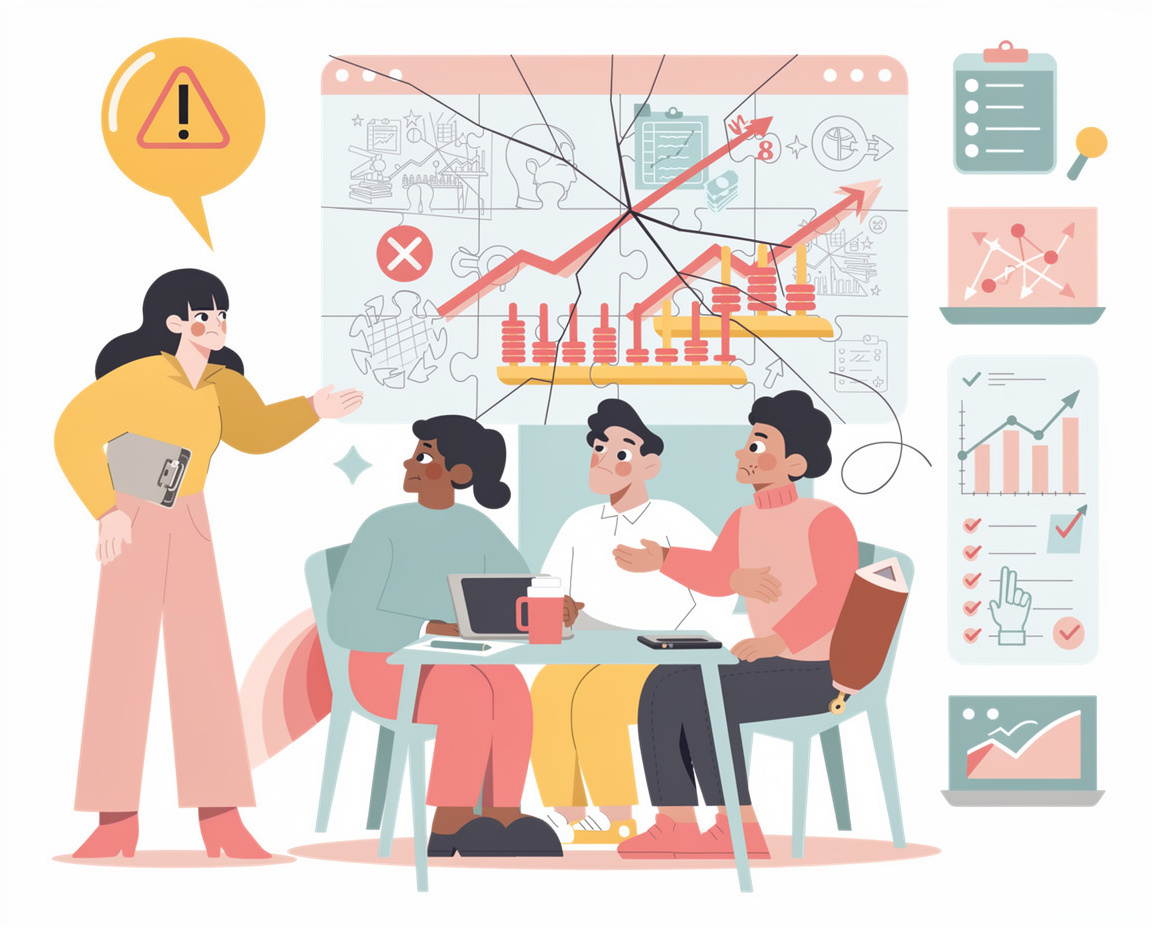
When the room gets hard, people do not simply apply what they know. They act from the logic organizing what feels necessary, safe, credible, or survivable in that moment.
Repeated behavior protects something.
Recurring patterns are usually preserving a protected good such as competence, belonging, control, credibility, identity, safety, or relational standing.
Consequences shape the self at work.
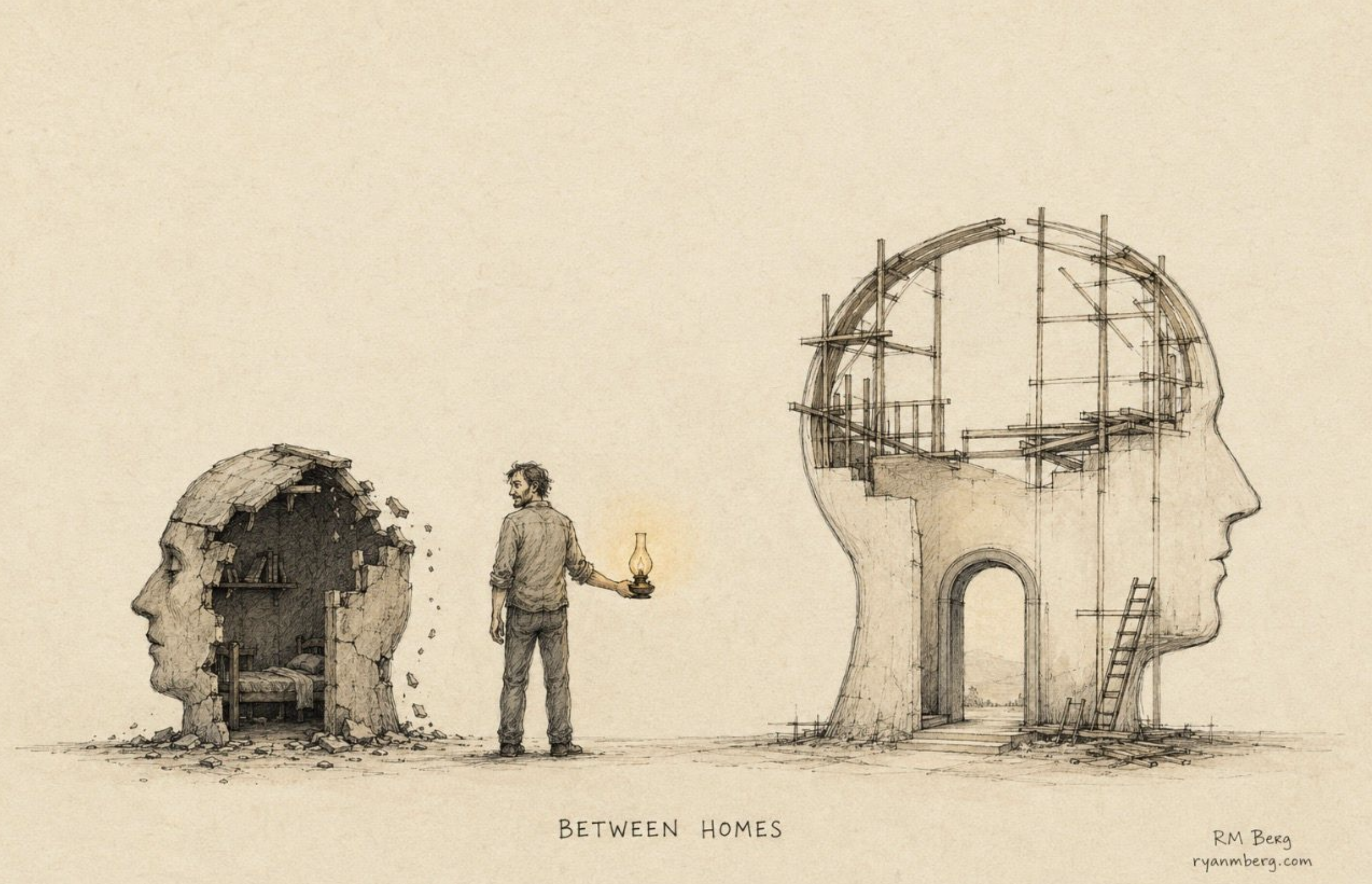
Every organization teaches adults which version of themselves can survive there through what it rewards, permits, ignores, punishes, and makes costly.
Development expands available action.
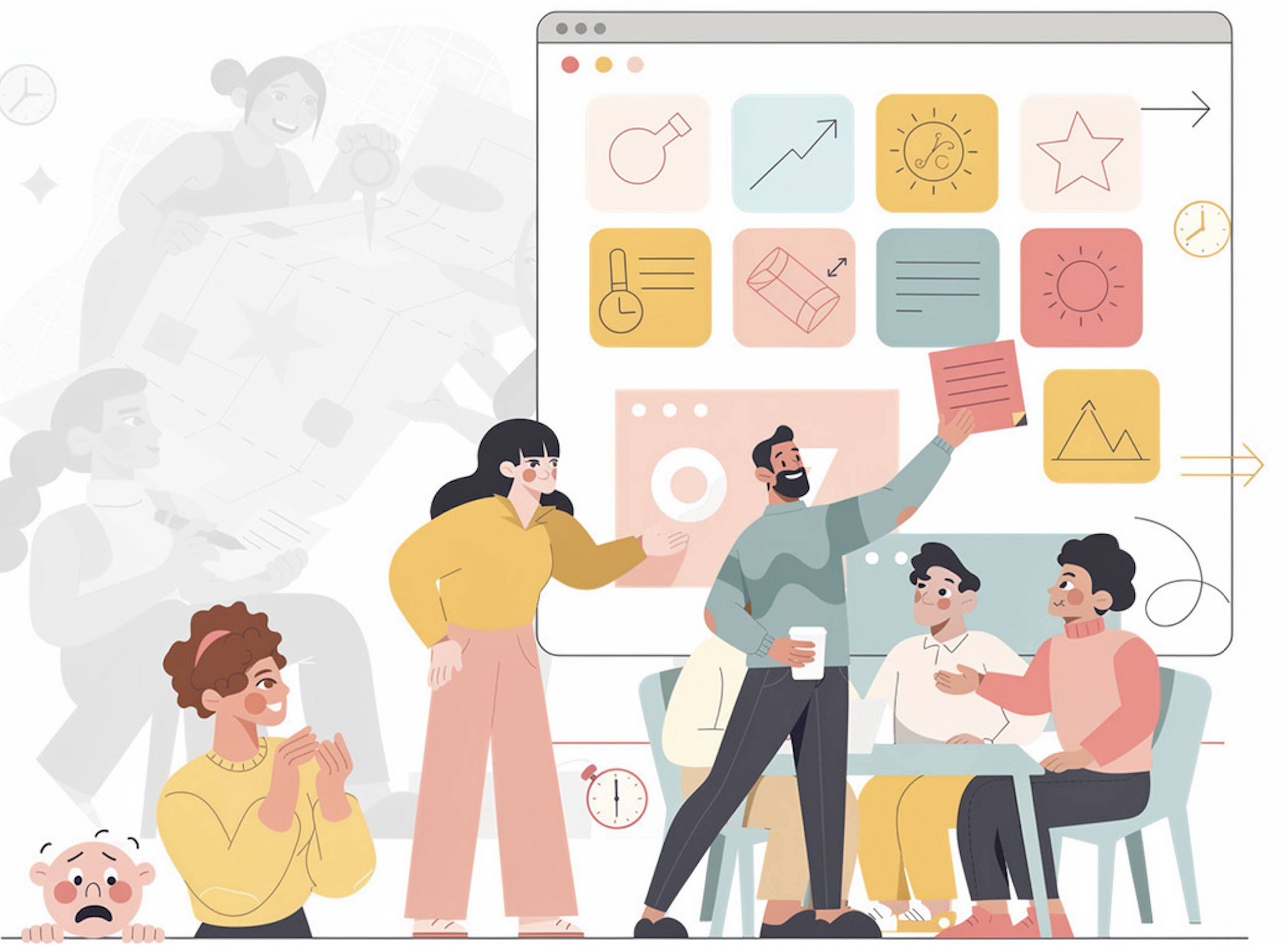
Learning becomes developmental when adults can examine the pattern, test the operating assumption safely, and widen the range of choices available under pressure.
“A workplace becomes developmental or deforming through the consequence patterns that teach adults what kind of self can survive there.”
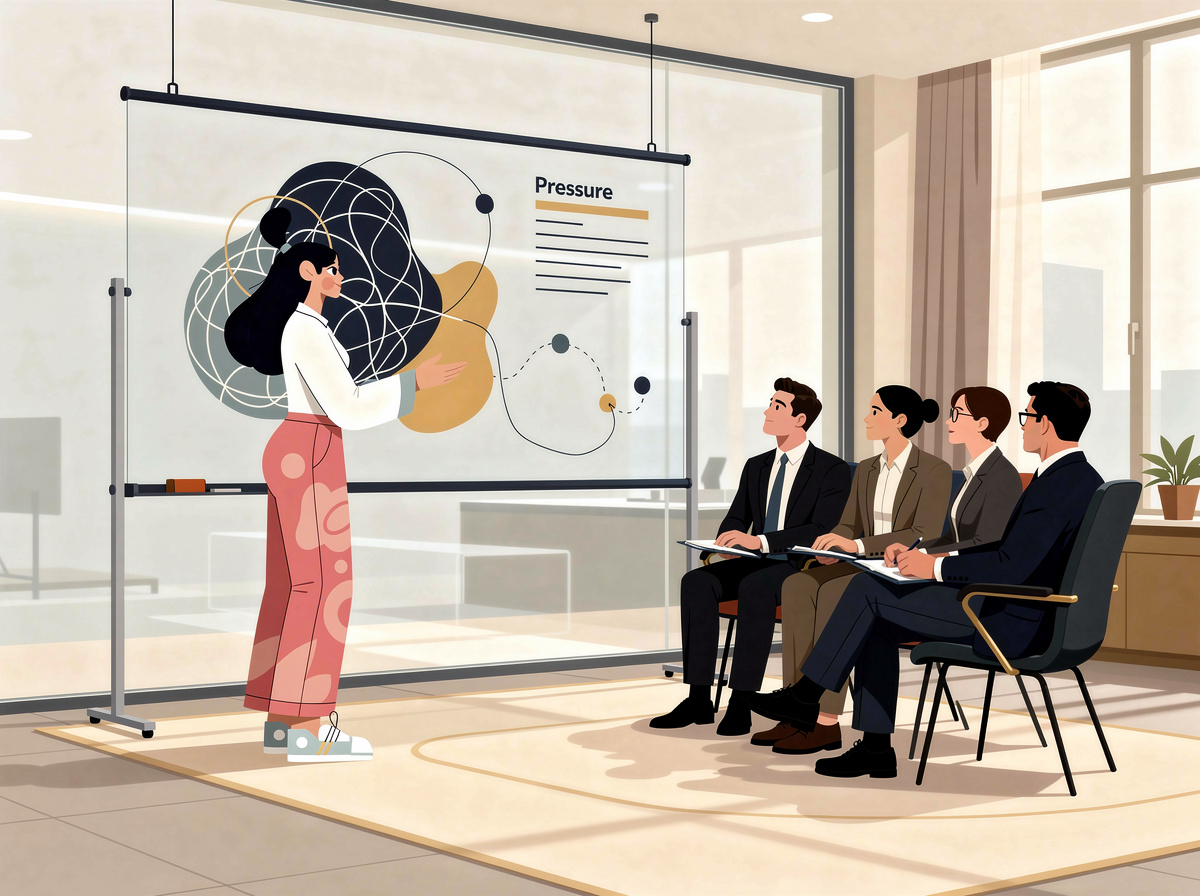
This is the intellectual architecture underneath Pressure Map™ and the broader TLS system. It is the reason the work focuses on judgment, autonomy, protected concerns, managerial consequence patterns, and real-world experiments that convert insight into stronger action.
See the method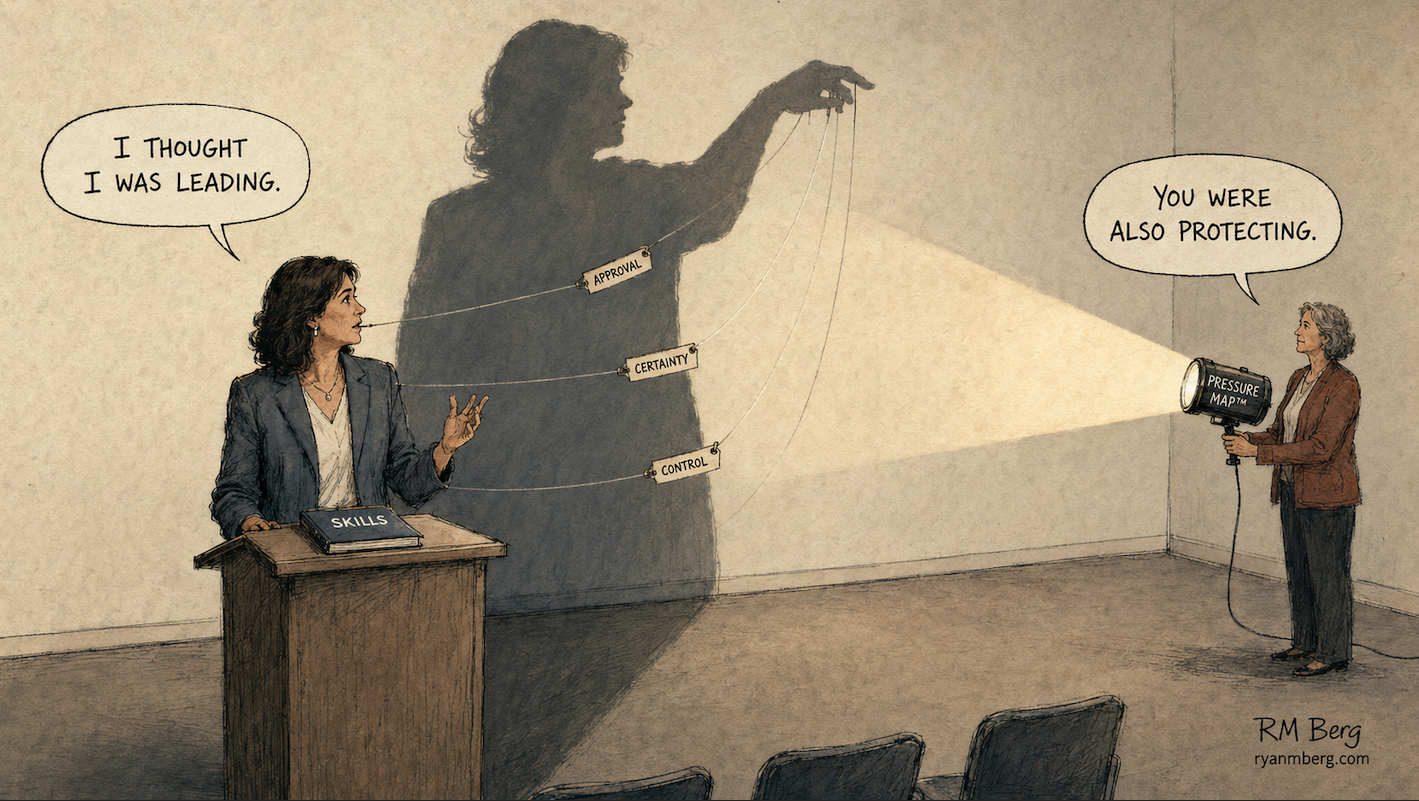



The difference becomes visible in what people can do next.
TLS measures development through action: stronger judgment, wider autonomy, clearer boundaries, and evidence that capability survives contact with real work.
-
01 / Judgment
Knowing the answer
Exercising judgment
-
02 / Authority
Waiting for permission
Acting within clear boundaries
-
03 / Learning
Avoiding exposure
Learning through bounded evidence
-
04 / Autonomy
Manager dependence
Manager-supported autonomy
-
05 / Capability
Training completion
Demonstrated capability
-
06 / Change
Hidden resistance
Visible protective logic
-
07 / AI
AI experimentation
Accountable AI-enabled work
-
08 / Readiness
Succession lists
Evidence-based readiness
The Consequence Field
What is this workplace developing people into?
Move the four consequence conditions. The surrounding forces remain, but the person’s available action either narrows toward protection or widens toward responsible judgment. The system is always teaching.
Belonging · Status · Authority · Consequence
Field reading
This consequence environment is developing cautious compliance.
Available action range: narrow
Judgment Low
Risk surfacing Low
Autonomy Low
Schedule a Zoom
Pick a time that works. You’ll get an instant calendar invite and Zoom link.